

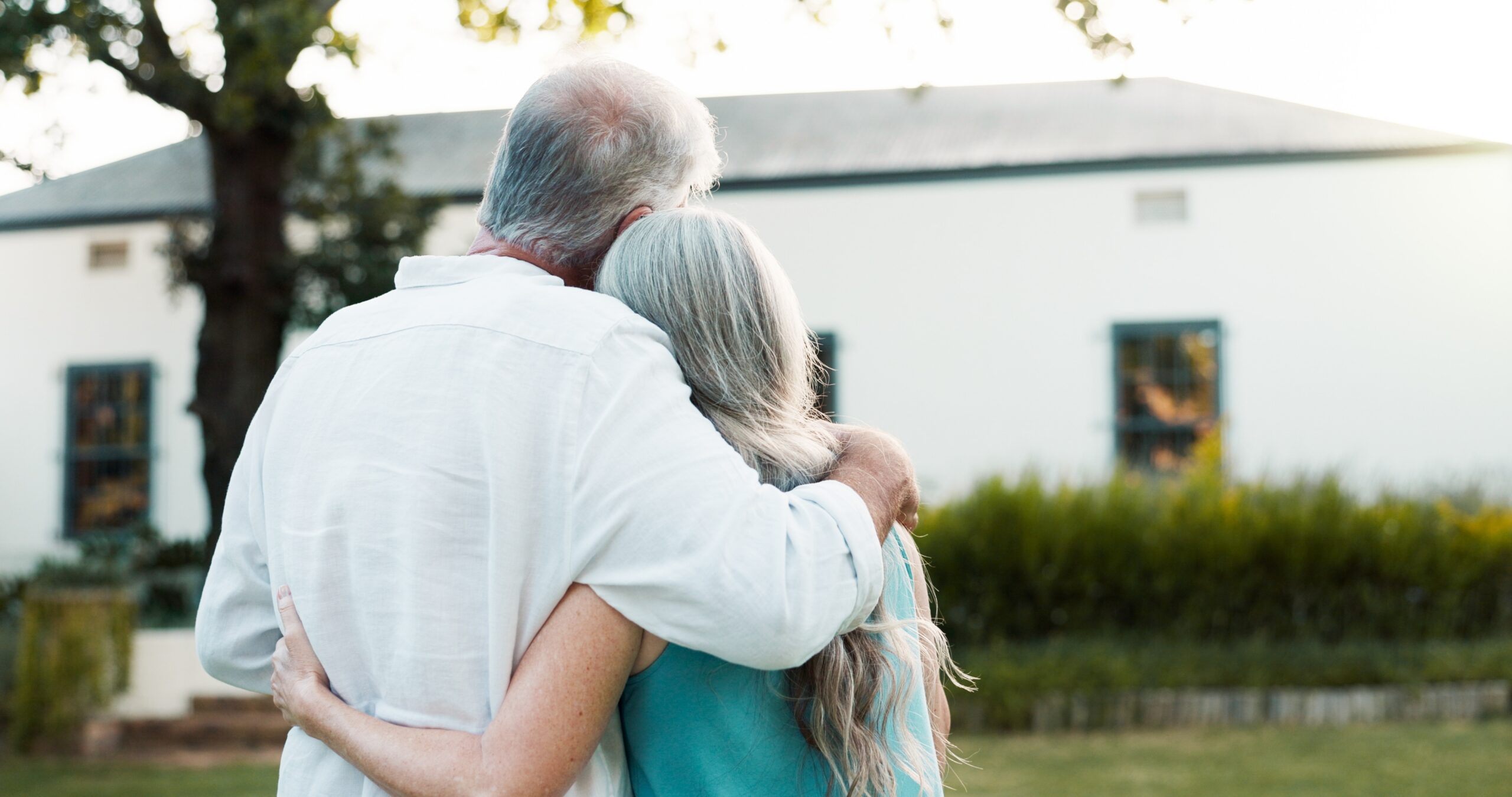
Aging-in-Place – Part 2 Summer: Designing Your Forever Home
Guest Blog Author: Dawn Heiderscheidt, OTR/L, ECHM, CAPS, Owner & Founder of Aurora Independence
Small Changes, Big Impact: The Midlife Home Adjustments That Pay Off Later
Introduction
Retirement unfolds in seasons. This series of articles and the accompanying guide was created in partnership with Aurora Independence to help guide both your financial decisions, and aging in place decisions.
Your home is where independence is preserved and comfort is found. But as retirement evolves, your home should evolve with it if your intentions are to stay there. The good news? Modifications made during the vibrant early years don’t have to look clinical or signal decline and they can simply work better, longer, and with less effort.
This guide weaves together two planning processes: financial strategy through each retirement season, and practical home planning for aging in place. When the two align, the result is a retirement that’s built to help you be financially secure and aging in place through every stage.
SUMMER
The middle years of retirement often feel steady and predictable. This is the perfect time to make simple updates that protect your independence and comfort for what comes next. Think tune-up, not overhaul, and focus on changes that reduce risk, support daily routines, and keep you connected.
Why the “quiet middle” is the right time to act During the transition years, routines are set, and spending may settle. That breathing room creates an ideal window to address small issues before they become costly problems. The goal is to reduce friction in daily life, improve safety where risk quietly accumulates, and preserve the freedom to keep doing what you love.
What matters most in this season:
- Stability first. Improve footing, lighting, and support on the paths you use every day. This helps support the transition from vibrant early retirement into steady routines that bring peace and joy.
- Less reach and twist. Bring essentials closer to the body and within easy sight. Maybe those injuries from our younger years are creeping back in, and it’s important to protect our bodies for future use.
- Simple tech that works. Use tools that add safety and reduce effort without adding complexity. Now is the time to automate what we can and get comfortable with the tech that may age with us.
Nine high-value upgrades that pay off
- Whole-home lighting refresh. Bright, even, low-glare light in halls, stairs, bathrooms, and entries. Add motion sensors in corridors and at the garage entry.
- Stair safety tune-up. Two continuous handrails, high-contrast step edges, clear landings, and no loose rugs near stairs.
- Bathroom comfort pack. Secure beautiful grab bars, a hand-held shower, anti-slip flooring, and a stable shower seat.
- Toilet and sink ergonomics. Right-height toilet, lever faucets, knee and hip-friendly positions.
- Kitchen within reach. Pull-outs for lower cabinets, frequently used items between knee and shoulder height, and a safe step stool with a handhold if you keep one.
- Smooth entries. One step-free path with a sturdy rail, weather protection, and non-slip surfaces.
- Door and handle upgrades. Lever handles on doors and faucets, offset hinges for a wider clear opening where needed.
- Communication and alerts. Video doorbell, loud and visual smoke and CO alerts, simple medication, and appointment reminders.
- Daily movement support. Stable seating with arms in key rooms, task lighting for hobbies, and clear floor paths with cord management.
Important principles for a home that adapts with you
Think of this season as calibrating rather than expanding. Your routines are established, your priorities are clearer, and the question shifts from “What do we want to add?” to “What actually supports how we live now?” This is the moment to reduce friction by simplifying layouts, rethinking underused spaces, and addressing the small design choices that have been quietly creating fatigue over time.
Next, focus on adaptability without urgency. In these steadier years, the goal is not to future-proof everything at once, but to ensure your home can adjust without requiring a full renovation later.
This might mean reinforcing walls during a refresh, choosing fixtures that can evolve with minimal work, or reshaping spaces so they can flex between hosting, rest, and caregiving if needed. These choices protect both comfort and capital, allowing your home to evolve alongside health, family
roles, and financial strategy. A well-planned home at this stage doesn’t signal “later years” — it simply works better, longer, and with less effort.
DIY or Pro: make the right call
- Could be DIY Friendly: Grab bars when properly anchored, lamp-to-wall switch upgrades with plug-in modules, cabinet pull-outs, lever handles.
- Expert Recommended: Electrical work, shower conversions, exterior grading, rail installation, and any structural changes.
Financial Opportunity and Integration:
Routines are established, and spending often decreases. This creates the “Goldilocks tax zone”—perfect for strategic Roth conversions (potentially $120,000 annually), capital gains harvesting, and charitable strategies that can save families $300,000+ in lifetime taxes.
Break work on the home into phases and schedule projects during lower expense periods. Quality accessibility features are increasingly attractive to buyers and don’t need to look clinical. These modest changes can prevent injuries that disrupt lifestyle and create unplanned costs.
How does this fit into your financial plan?
- Staged spending. Break work into phases and schedule projects during lower expense periods.
- Risk reduction. Modest changes now can prevent injuries that disrupt lifestyle and create unplanned costs.
- Property value. Quality accessibility features are increasingly attractive and do not have to look clinical.
Get Your Free Retirement & Home Planning Guide Including the checklists and information for all 4 seasons of life. Download here.

This article was written by guest contributor Dawn Heiderscheidt, OTR/L, ECHM, CAPS, Owner and Founder of Aurora Independence. Dawn is an accessibility consultant who helps individuals and families create safer, more supportive homes that make aging in place possible. Learn more about her work at www.AuroraIndependence.com.